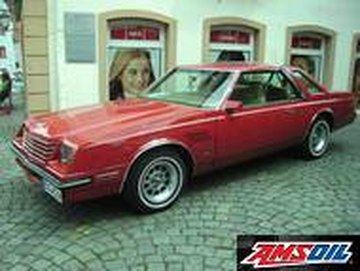
Maintaining Lubrication Standards for the 1981 Dodge MIRADA 3.7L
Proper engine care for a vehicle of this era requires a focus on consistent monitoring and adherence to specific fluid requirements. For owners of a 1981 Dodge MIRADA equipped with the 3.7L engine, maintaining the internal lubrication system is a primary component of long-term mechanical health. Because older engines often exhibit different sealing characteristics than modern counterparts, a proactive approach to inspection and oil selection is essential.Monitoring Fluid Integrity and Potential Leaks
One of the most effective ways to monitor the health of the 3.7L engine is through regular visual inspections for fluid seepage. Over time, various gaskets and seals may undergo changes in elasticity due to heat cycles and age. It is useful to inspect the area around the engine block and the underside of the vehicle for any signs of wetness or residue that could indicate a slow leak. When performing these checks, look for:- Evidence of oil pooling near the base of the engine.
- Dampness on the surface of various gaskets or sealing areas.
- Discoloration on the underside of the chassis that may suggest a slow drip.
Observing Changes in Engine Performance and Appearance
Beyond visible leaks, an owner should remain attentive to how the vehicle behaves during routine use. While many factors can influence engine behavior, certain changes may be associated with the lubrication system. For instance, if you notice a change in the way the engine sounds or if there is an unusual odor after the vehicle has reached operating temperature, these are indicators that should be investigated. Changes in the appearance of the oil itself can also provide useful information. If the oil appears excessively dark or contains visible particulates shortly after a service interval, it may indicate that the oil is breaking down prematurely or that contaminants are entering the system. Similarly, if you notice an increase in how often the oil level must be checked, this could suggest that the engine is consuming more lubricant than usual. Because these symptoms can have multiple underlying causes, they should be treated as prompts for a professional diagnostic inspection rather than definitive proof of a specific component failure.Prioritizing Maintenance Based on Current Condition
For a vehicle from 1981, maintenance priorities are often best determined by the actual condition of the components rather than just the age of the car. If you have recently acquired this Dodge MIRADA and do not have access to a complete service history, establishing a maintenance baseline is a logical first step. This involves performing a thorough inspection of all fluids, belts (if equipped), and hoses to understand the current state of the vehicle. If documentation of previous repairs and oil changes is available, review it to identify any patterns or recurring needs. If no records exist, treat the current state of the engine as your starting point. Focus on addressing any active leaks or signs of fluid degradation first. Once the baseline is established, you can transition from reactive maintenance to a more structured preventive approach, keeping a detailed log of all future oil changes, filter replacements, and mechanical observations.Managing Aging Engine Components
As engines age, certain materials naturally become more sensitive to environmental factors and heat. When maintaining the 3.7L engine, it is helpful to look at components through the lens of their current physical state. For example, if the vehicle is equipped with various rubber hoses or drive belts, inspect them for signs of cracking, glazing, or fraying. While these parts may appear functional, subtle changes in texture or flexibility can be early indicators that they are nearing the end of their service life. Furthermore, inspecting electrical connections and wiring for any signs of brittleness or corrosion is a prudent step during routine service. Ensuring that all connectors are secure and clean helps prevent intermittent issues that could complicate other maintenance tasks. By focusing on these physical characteristics, you can make informed decisions about when to perform preventive replacements versus when to continue regular monitoring.Effective Record Keeping for Long-Term Ownership
Maintaining a dedicated folder or digital log for your 1981 Dodge MIRADA can significantly simplify long-term ownership. A well-kept record should include the dates and details of every oil change, the specific products used, and any observations made during inspections. This history is invaluable when trying to distinguish between a new issue and a long-standing characteristic of the engine. Consistent documentation also helps in identifying if certain maintenance tasks need to be performed more frequently due to the vehicle's operating environment or usage patterns. If you notice that oil consumption or seepage increases during specific seasons, having those dates recorded allows for much more precise troubleshooting.Practical Guidance for Buying Engine Oil for a 1981 Dodge MIRADA 3.7L
When it is time to replenish your engine's lubricant, the most important step is to ensure the product matches the specific requirements of your application. To select the correct oil, match the engine oil to the application-specific viscosity information already displayed on this webpage. As you shop for products, consider the following:- Verify Labeling: Always check the product packaging to confirm it meets the necessary standards and matches the viscosity requirements listed in your vehicle's documentation.
- Evaluate Formulations: Depending on the current condition of your engine, you may encounter various options such as conventional, synthetic blends, or full synthetic oils. Some high-mileage oil formulations contain additives intended for use in aging engines, including seal-conditioning additives that may be beneficial for older seals.
- Check Certifications: Ensure the oil carries the appropriate API certification to provide the necessary level of protection and deposit control.